When I Don’t Like What I See in the Mirror

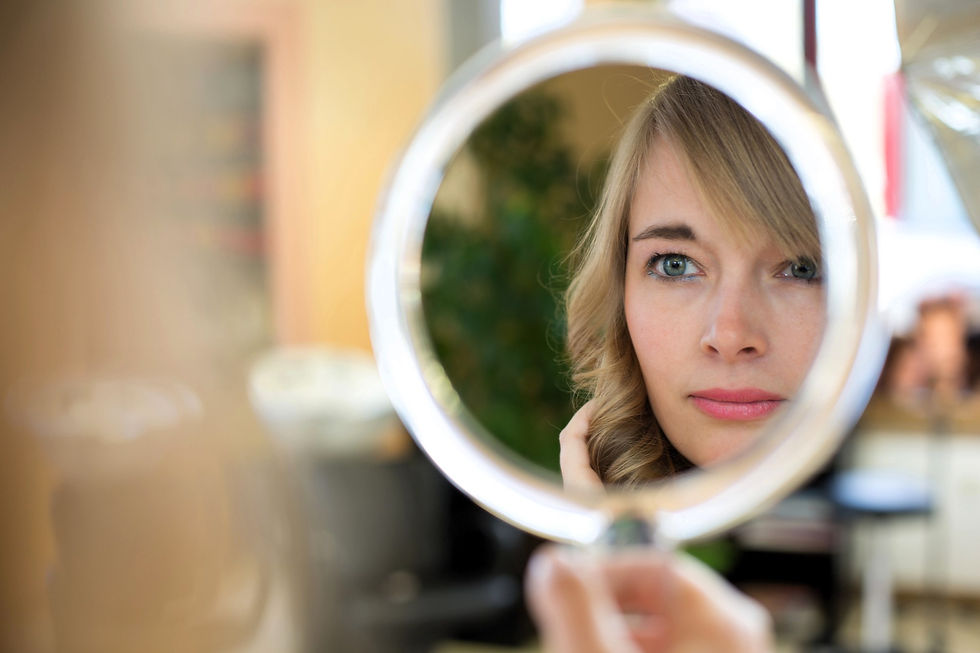
There are moments when looking in the mirror brings discomfort instead of familiarity. You might notice criticism, disappointment, or a sense of distance from the person looking back at you. These moments can be quiet and fleeting — or persistent and heavy.
Not liking what you see in the mirror isn’t vanity or weakness. It’s often connected to deeper experiences of self-worth, identity, and how we’ve learned to view ourselves.
The mirror often reflects more than appearance
What we see in the mirror is rarely just about physical features. It can reflect:
Stress or exhaustion
Grief or change
Internalized messages about worth or beauty
Shifts in identity or life stage
Trauma or difficult experiences stored in the body
Discomfort with reflection is often about how we’re feeling inside, not how we actually look.
Body image is shaped by experience, not truth
Messages about bodies and appearance are everywhere — from media, culture, family systems, and social expectations. Over time, these messages can become internalized, shaping how we speak to ourselves.
For some, the mirror becomes a place of comparison or self-surveillance rather than self-recognition.
These beliefs are learned — and what is learned can be questioned.
Disconnection from the body is common
For many people, especially those who’ve experienced stress, trauma, or invalidation, disconnecting from the body can feel protective. Avoiding mirrors, criticizing appearance, or focusing only on flaws can be ways of managing discomfort.
These responses are not failures — they are coping strategies that once served a purpose.
You are more than what the mirror shows
The mirror captures a moment in time, not the fullness of who you are. It cannot reflect:
Your resilience
Your capacity for care
Your growth through difficulty
Your identity and values
The experiences that shaped you
Worth is not determined by reflection.
Shifting the relationship with the mirror
Healing doesn’t require loving what you see in the mirror every day. Sometimes, the goal is simply neutrality — allowing the image to exist without judgment.
Small shifts might include:
Noticing critical thoughts without engaging them
Practicing gentler language toward yourself
Focusing on what your body allows you to do, not how it looks
Limiting time spent analyzing appearance
Acknowledging the emotional context behind the discomfort
Change happens gradually, with patience and care.
Counselling can support body image and self-relationship
Counselling can offer a space to explore body image concerns without pressure to “fix” or “love” yourself. It supports understanding where beliefs came from and how to relate to your body with greater compassion and safety.
You deserve to feel at home in yourself — even on days when the mirror feels hard.



Comments